







Description
Chamba Chappal
1. Origin & History
-
Chamba Chappal is a traditional handcrafted footwear that originates from the Chamba district in Himachal Pradesh, India.
-
It is believed to date back several centuries and has been a part of the local lifestyle and culture.
-
These chappals were originally made for protection and comfort in the mountainous terrain but later became a symbol of craftsmanship and cultural pride.
2. Materials Used
-
Made primarily from locally sourced leather, often cowhide or buffalo hide, known for its durability and flexibility.
-
The soles are thick and sturdy, providing grip and insulation from cold, wet surfaces.
-
Sometimes, wool or cloth lining is added to enhance comfort and warmth.
-
Natural dyes and oils are used in the tanning process, preserving traditional methods and eco-friendliness.
3. Craftsmanship
-
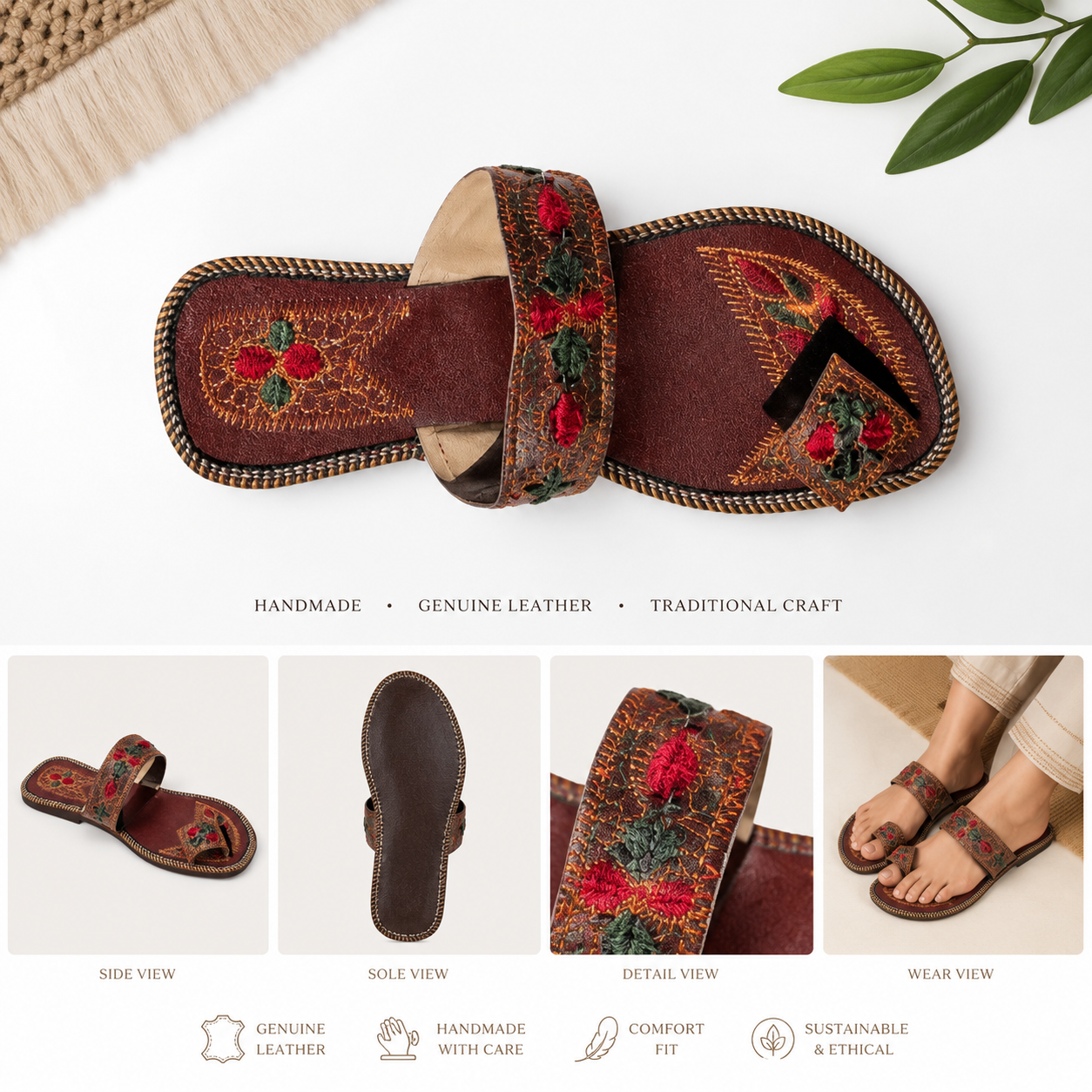
Each pair is handmade by skilled artisans, often from families that have passed down the craft through generations.
-
The stitching is done by hand, using strong thread for durability.
-
Patterns and designs are simple yet elegant, reflecting the minimalist lifestyle of the region.
-
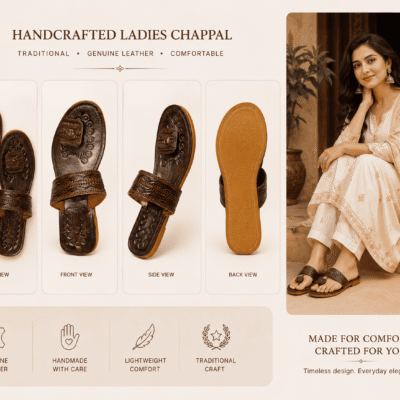
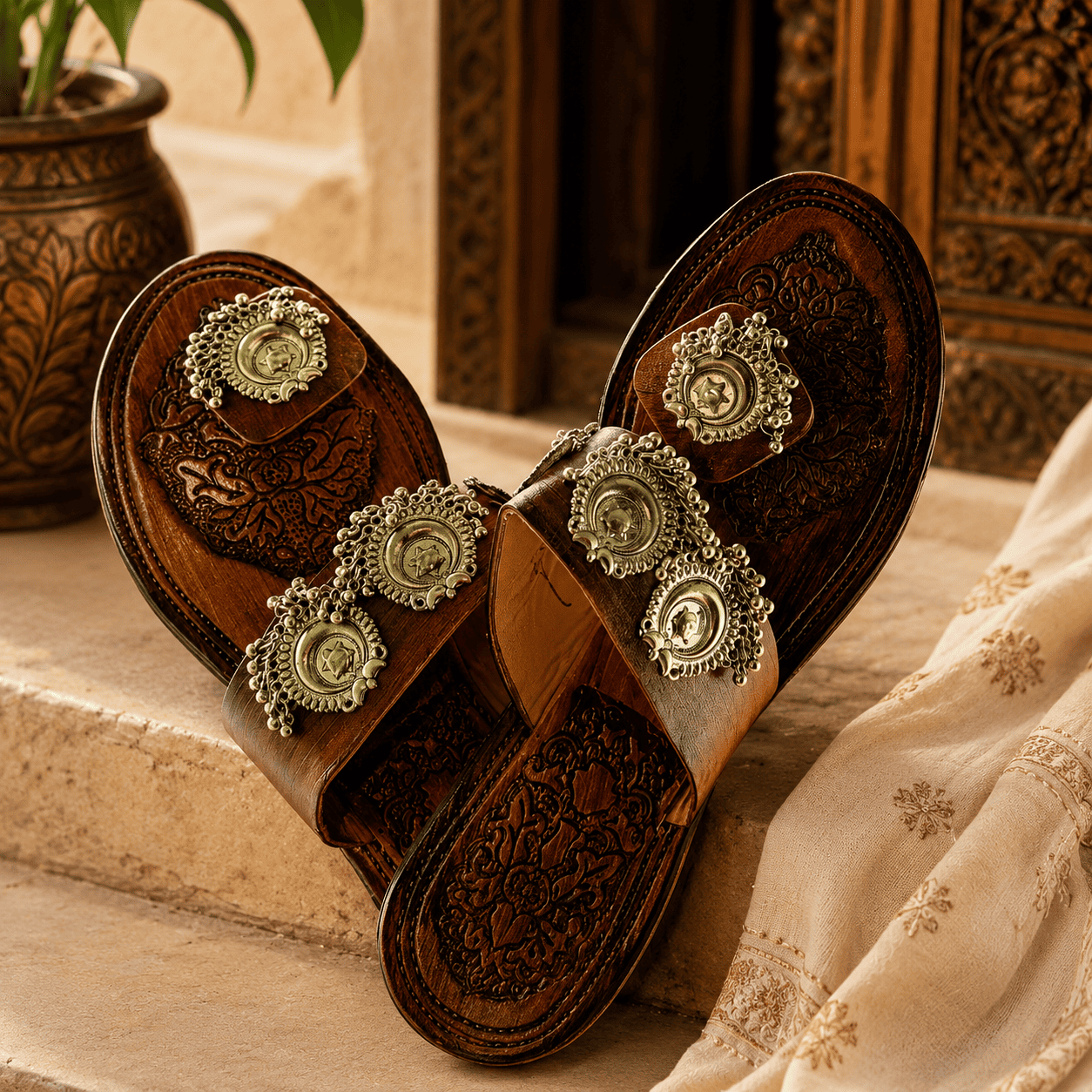
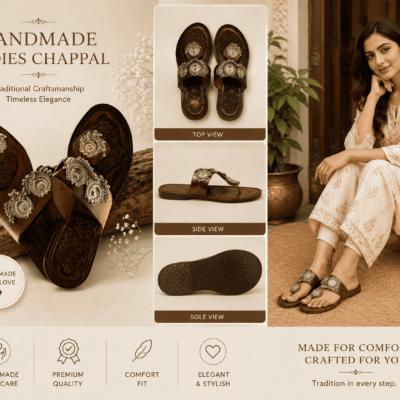
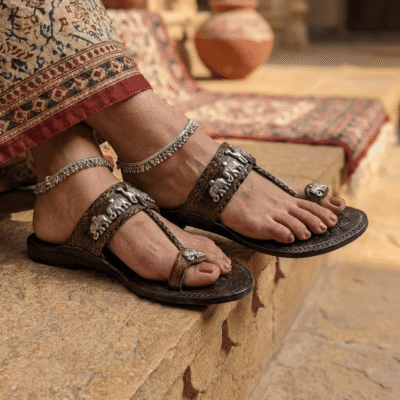
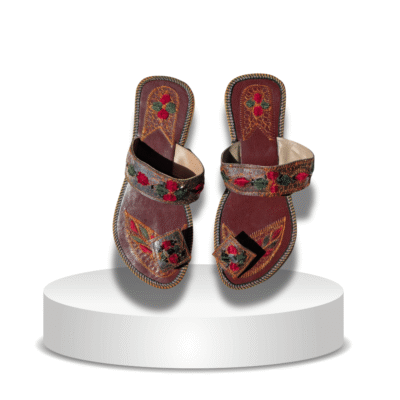
Some chappals feature decorative elements like embroidery, beads, or metal embellishments depending on the occasion or customer preference.
4. Usage
-
Originally used as everyday footwear suitable for farming, trekking, and outdoor work.
-
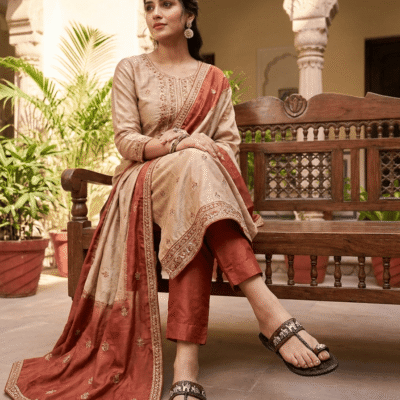
Now also worn during cultural festivals, fairs, and traditional ceremonies.
-
A popular souvenir for tourists visiting Himachal Pradesh.
5. Cultural Significance
-
Represents the local way of life, resilience, and self-reliance.
-
Promotes local artisanship and supports rural economies.
-
Wearing Chamba Chappal is seen as a way to stay connected to the roots and traditions of Himachal Pradesh.
6. Modern Adaptations
-
Today, Chamba Chappals are being redesigned for contemporary fashion without losing their traditional essence.
-
They are available in various sizes and styles suitable for men, women, and children.
-
Some designers experiment with colorful stitching, patterned embossing, and lightweight materials to attract a global market.
7. Sustainability
-
Handmade with minimal machinery, reducing carbon footprint.
-
Use of natural materials ensures biodegradability.
-
Encourages responsible consumption and supports eco-friendly living.